



The average car is now 12.8 years old, and that single number is rewriting how automotive service gets delivered.
That shift was the subject of a recent feature in USA Today, which looked at why the traditional service model, one built entirely around fixed-location service bays, is running into limits that more square footage can't solve.
The forces rewriting the model
Roughly 70% of vehicles on the road will soon be past their primary warranty years. That means more vehicles need service, for longer, outside the tight relationship a warranty period creates between owner and dealer.
At the same time, the industry is short on people to do the work. Workforce analysts estimate the U.S. will need close to one million new automotive technicians over the next five years.
Older cars in need of more service. Fewer technicians to provide it. A customer base that expects convenience on its own terms. Put those three forces together and the old model doesn't just bend, it breaks.
Capacity without more concrete
For most of the last century, growth in the service business meant one thing: build more. More bays, more locations, more square footage. Capacity was tied directly to how much physical space a business could afford to build and staff it could hire.
That link is breaking. The same shift that moved computing from company-owned servers to the cloud is reaching the physical economy. Businesses can now access service capacity without owning every piece of the infrastructure required to deliver it.
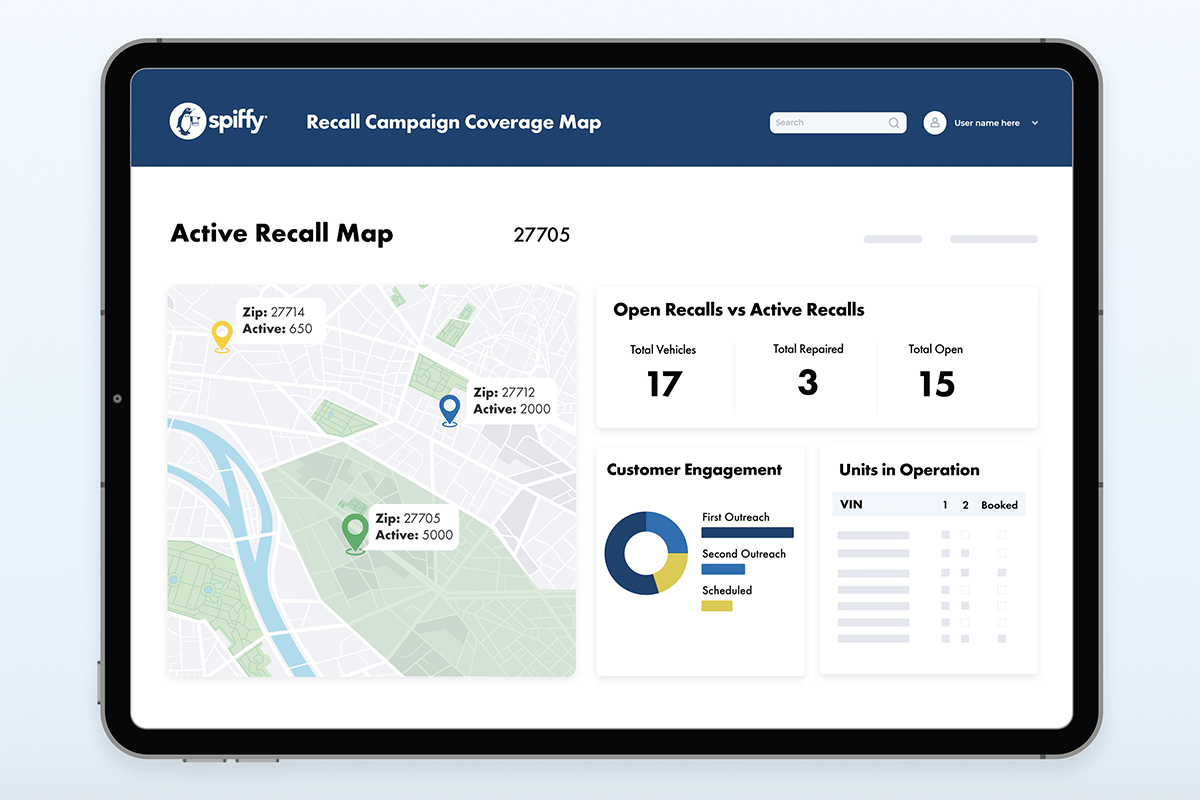
For dealerships, that means growth no longer has to wait on a construction budget or a multi-year facilities plan. A mobile fleet can reach more customers, faster, without adding a single bay.
What comes next for dealers
The "should we offer mobile service" question is fading. A 12.8-year-old fleet and a technician shortage make the demand side of the argument hard to ignore.
What's left is execution: building mobile programs with the scheduling discipline, technician training, and DMS integration that make the model work at scale. That's the part of this shift Spiffy has spent over a decade building toward, long before a single number made it national news.
Read the full feature here. https://www.usatoday.com/story/sponsor-story/br-studio/2026/07/10/americas-future-automotive-infrastructure-is-going-beyond-the-physical/90846220007/

FAQ
Why are 12.8-year-old cars rewriting automotive service?
Vehicles are staying on the road longer than ever, and a shrinking pool of technicians can't keep pace with the service those older vehicles need. Mobile service lets dealers reach more customers without adding facilities.
What percentage of vehicles are past their warranty period?
Roughly 70% of vehicles on the road will soon be past their primary warranty years, meaning most service demand is shifting outside the tight relationship a warranty period creates between owner and dealer.
How big is the automotive technician shortage?
Workforce analysts estimate the U.S. will need close to one million new automotive technicians over the next five years to keep up with vehicle service demand.
Does mobile service require dealerships to build new facilities?
No. Mobile service lets dealerships add service capacity through a mobile fleet instead of new bays, locations, or square footage, similar to how cloud computing lets businesses scale without owning more physical servers.