



Mobile service only works if the technician behind the wheel can handle it. Dealers who treat mobile hiring, training, and pay like an extension of their existing fixed ops department tend to run into trouble early. Mobile is a different job, and it needs to be staffed, trained, and compensated like one.
How Do You Select the Right Mobile Technicians?
The skills that make someone excellent in the bay don't automatically transfer to the field.
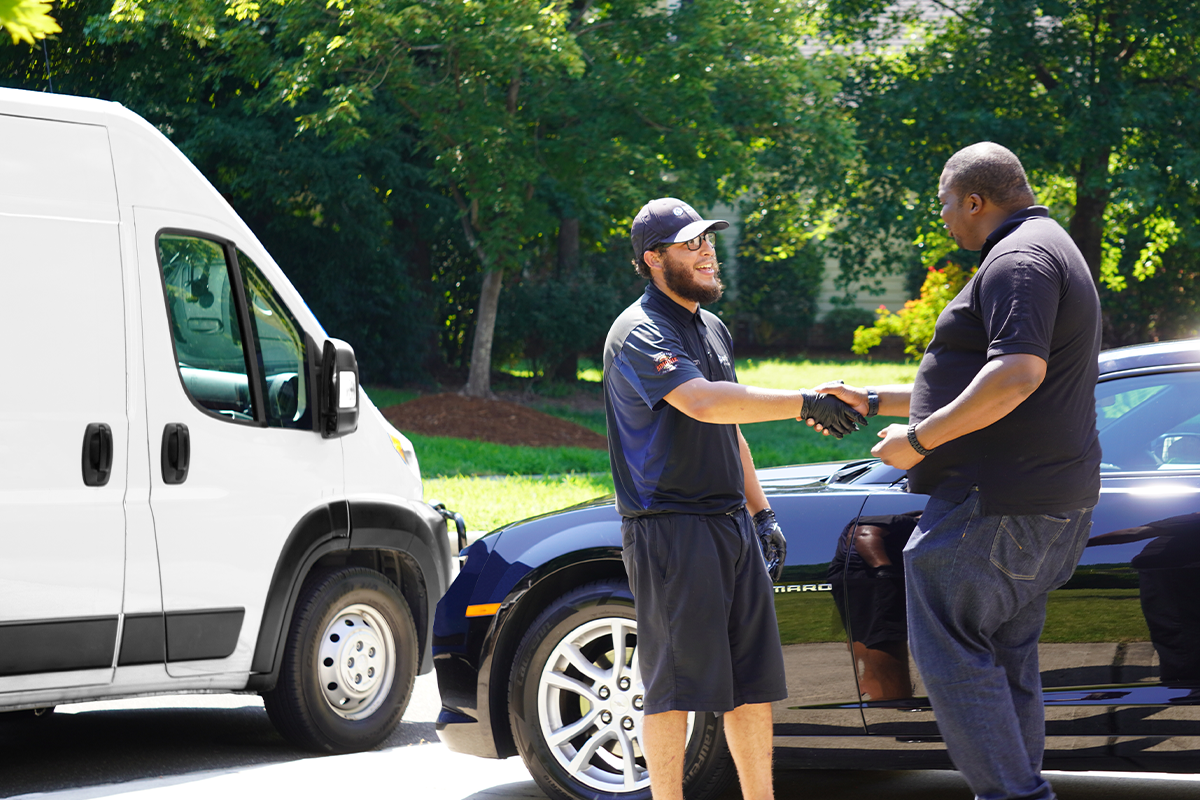
In the bay, the vehicle comes to the technician. Parts are on hand. If something's off, a service advisor or another tech is a few feet away. On a mobile call, none of that is guaranteed. The technician is the only person on site, working around whatever space a driveway or parking lot gives them, and making judgment calls that would normally get bounced to someone else.
Technical skill still matters, but it isn't the differentiator. The technicians who succeed in the field are the ones who can troubleshoot independently, communicate clearly with a customer standing right there, and adapt when the job doesn't match the work order.
The bar for mobile is not higher, but it is different. Software flashes, oil changes, and similar work are often better suited to techs earlier in their careers, or techs looking for a different kind of day than the bay offers. With technician shortages putting pressure on every service department, mobile can function as a feeder to the technician pipeline rather than a drain on shop staffing. It gives dealers a role to recruit into that doesn't compete directly with bay headcount.
The technicians most dealers regret assigning to mobile are usually the best shop tech on the roster, picked for that reputation rather than a fit for independent field work. Recognizing that distinction during hiring is what keeps a mobile program from stalling before it proves itself.
How Should Mobile Technicians Be Trained?
Mobile technicians need training that goes beyond the repair itself. They need to be comfortable owning the full customer interaction, from arrival to a clear explanation of the work, without a service advisor to lean on.
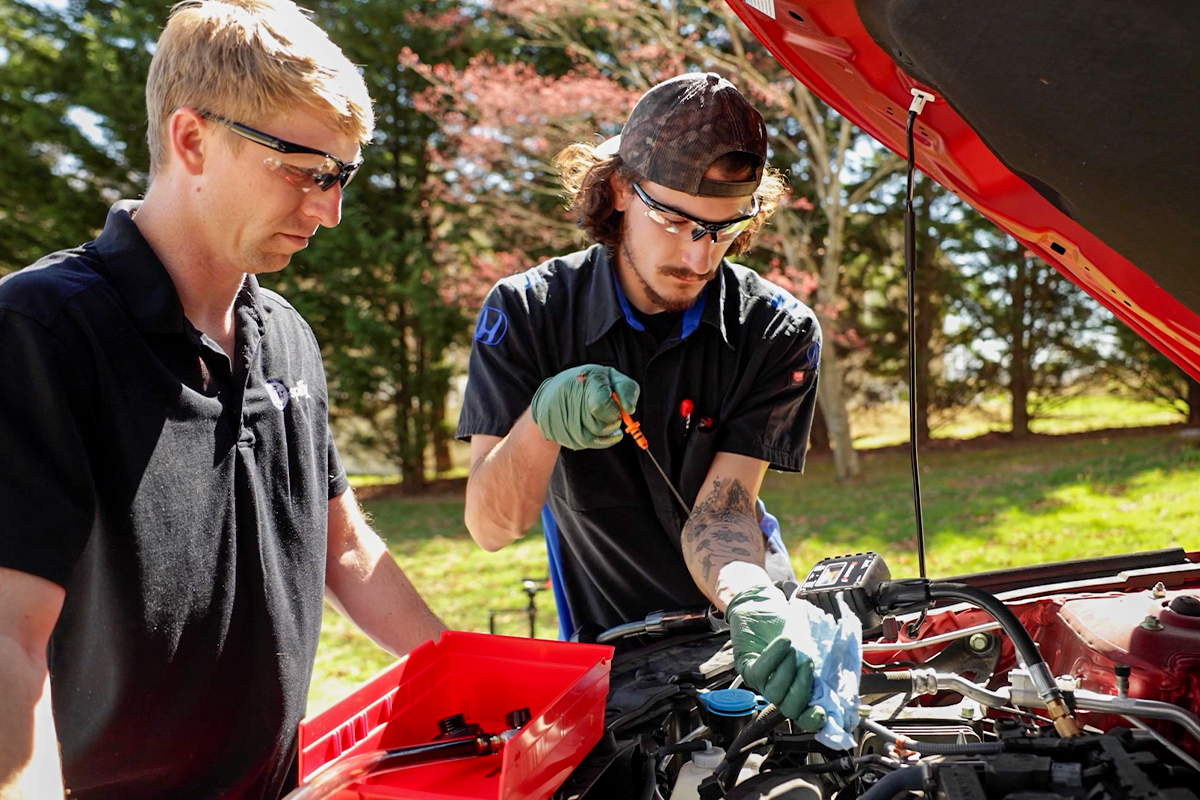
That means training should cover:
Technical scope. Be explicit about which repairs are approved for mobile and which stay in the bay. Clarity here prevents technicians from improvising decisions that should go back to the shop.
Customer-facing communication. A mobile appointment is customer service and repair work happening at the same time. Technicians need practice explaining status, timing, and outcomes directly to a customer standing next to them.
Field judgment. Working conditions vary every appointment. Training should include how to handle a driveway that's too tight, a customer who wants to change the scope on the spot, or a repair that turns out more complex than the work order suggested.
Systems and workflow. Technicians need to be fluent in whatever scheduling, dispatch, and documentation tools the dealership uses in the field, in addition to the shop's DMS.
Dealers who skip straight from "good shop tech" to "mobile-ready" without addressing these areas tend to see it show up later, in longer appointments or inconsistent customer experience.
How Should Mobile Technicians Be Paid?
Compensation structure should reflect the actual nature of mobile work, rather than simply copying whatever the shop already runs.
Whatever model a dealership chooses, hourly, salary, or a commission component tied to completed mobile appointments, it should account for the realities that are unique to the field: drive time between stops, variability in appointment length, and the added responsibility of representing the dealership solo at every stop.
Pay decisions should also be documented clearly and consistently from the start. Compensation type and rate need to match what was agreed to before their hiring, since this detail feeds directly into payroll and becomes a point of confusion later if it's inconsistent across technicians or locations.
Getting pay structure right signals something beyond payroll accuracy. It tells technicians that mobile is a legitimate role in its own right.
Building Mobile Staffing Like Its Own Department
The dealers who scale mobile service successfully treat technician selection, training, and pay as decisions for a distinct department, built with its own logic from day one. Mobile demand tends to be there already. The real constraint is usually whether a dealership has built the staffing foundation to meet it.
Getting these three pieces right early, who to hire, how to train them, and how to pay them, is what determines whether a mobile program can actually grow into the demand that's already there.
Frequently Asked Questions
What makes someone a good fit for mobile technician work? Independence, clear communication with customers, and the ability to adapt when a job doesn't match the work order. Technical ability matters, but it isn't the deciding factor the way it can be in a shop setting.
Is mobile technician work suited for less experienced techs? Yes, for certain repair types. Software flashes, oil changes, and similar work are often a good fit for techs earlier in their careers, which makes mobile a legitimate entry point into the technician pipeline rather than a role reserved only for top shop talent.
What should mobile technician training include beyond repair skills? Clear scope on which repairs are mobile-approved, customer communication practice, field judgment for variable working conditions, and fluency in the scheduling and dispatch tools used in the field.
How should dealerships pay mobile technicians? Compensation should account for realities specific to the field, like drive time and variability in appointment length, and should be documented consistently so pay type and rate match what was agreed to at hiring.
Should mobile technician staffing be managed the same way as shop staffing? No. Mobile works best when treated as its own department, with hiring, training, and pay decisions built around the specifics of field work rather than borrowed from existing shop processes.

Posted in Education, Business, Technician