


Over the past few years, we've built closer relationships with the OEMs that are turning mobile service into a real strategic initiative, across several live programs with different platforms and different fleets. Different setups, same question every time: what does it actually take to run mobile service at scale, not just get it launched?
Here's what those programs have taught us so far.
Are recall campaigns a good fit for mobile service?
Yes, and a recent campaign affecting roughly 1.3 million vehicles is a good example of why. It was a proactive software update, not a safety recall requiring shop diagnostics, and that's exactly the kind of job mobile service was built for: a technician, a laptop, and an update, no bay needed and no extended diagnostic time. As a growing share of recall and campaign work shifts toward software and OTA-style updates rather than physical repairs, a growing share of that work can be completed outside the shop entirely. Dealers who build recall and campaign workflows into their mobile program from day one turn that compliance work into retention and revenue instead of letting it pile up as a backlog.
We've watched a version of this play out in one of our OEM mobile programs. Early data shows 19% of mobile customers are returning to the main shop for a second service within 60 days, and the average RO on those visits is $750. It's still early, so we're not calling this a network-wide trend yet, but the direction we're seeing is exciting. When the service comes to the customer, the customer comes back.
Depth of integration matters more than breadth of features
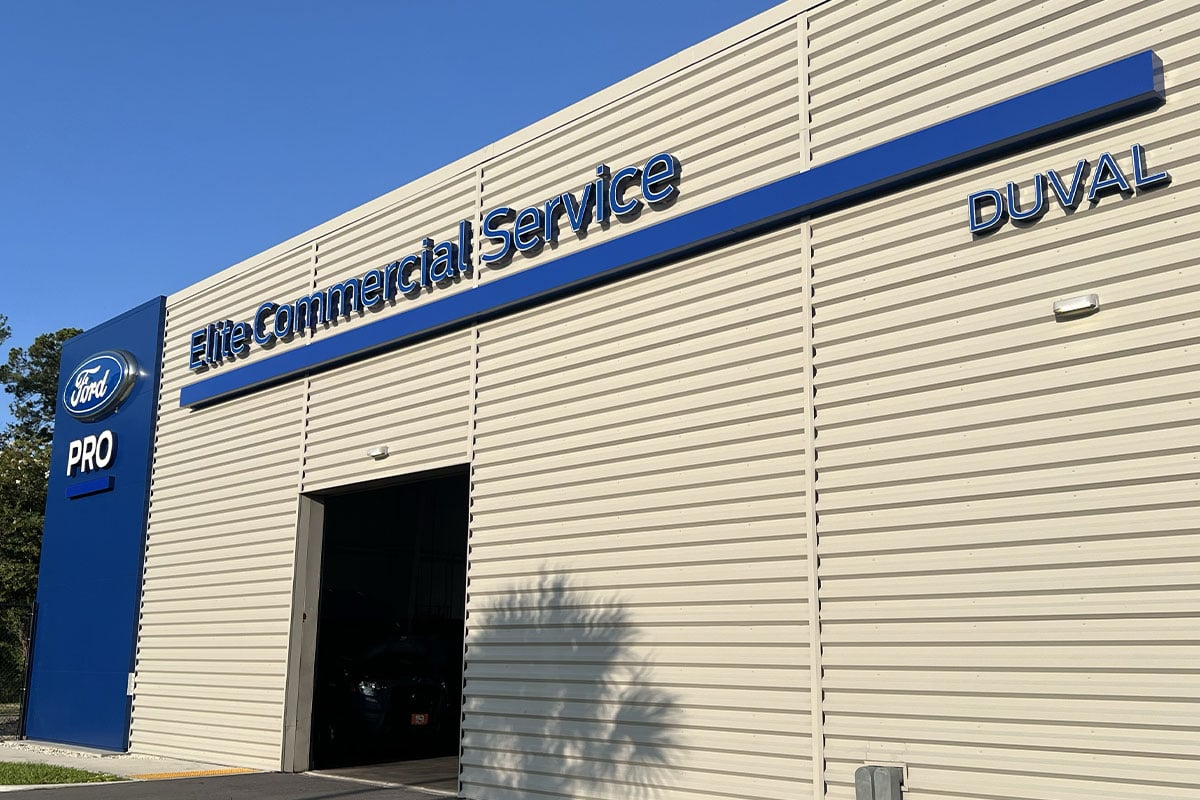
The dealers getting the most out of mobile service are the ones who've woven it into how the store already runs, rather than bolting it on as a a separate system. A dealer in Florida is the clearest example we've got right now. 23 vans, 19 technicians with two more onboarding, running across the main shop, a quick-service lane, commercial fleet, and a dedicated fleet building, plus a satellite location nearby. That's the kind of department-wide rollout a fully integrated Mobile 360 deployment can support, matched to how the dealership actually operates both retail and fleet service.
Scale changes what "launch" means
How much onsite time and sequencing a launch requires comes down mostly to the complexity of the operation. A single-rooftop store and a multi-rooftop group need different launches simply because there's more to coordinate at one than the other: more departments, more technicians, more workflows to document and agree on before a van ever hits the road. Treat both launches the same way and the bigger one stalls out of the gate. While possibly intuitive, working across these OEM programs has made that pattern more obvious. The more moving parts an operation has, the more the onboarding needs to look like a real operational rollout instead of a quick demo.
Why this matters beyond any single program
A stalled mobile program costs everyone something. It costs the OEM credibility with dealers who were told this would work. It costs the dealer their investment. It costs the customer whatever trust they'd started to put in the process. Having now worked with dozens of dealers to launch mobile service, we've seen the early signals that can lead to failure: a recall workflow that never gets built, an onboarding plan that doesn't account for the complexity of the operation, a launch that skips the sequencing that matters most.
That pattern recognition is really the point of all this. Run enough mobile service launches, and you start seeing a dealer's problem coming before they do. Now, the focus must shift to applying those learnings to OEM-run mobile service programs.
Does mobile service cannibalize dealership service revenue?
Early data suggests the opposite. In one OEM mobile program, 19% of mobile customers return to the main shop for a second service within 60 days, with an average repair order of $750.
Are recall campaigns a good fit for mobile service?
Yes. A recent software-based campaign affecting roughly 1.3 million vehicles didn't require shop diagnostics, which makes it a good example of how a growing share of recall work can be handled outside the shop.
Does mobile service launch the same way for every dealer?
No. A single-rooftop dealer can launch with a short onsite visit, but multi-department operations need more onsite time and documented workflows before they scale, since there's more to coordinate.
What actually makes a mobile service integration successful?
Depth of integration into how the dealership already runs matters more than the number of features used. One Florida dealer group, for example, runs mobile service across four departments and a satellite location as one connected program rather than a bolt-on.