



Standardization can sound like a corporate concept.
In mobile service, it is much more practical.
It is the difference between a program that depends on individual effort and a program that can scale across rooftops, regions, and customer expectations. As mobile service continues moving from isolated dealer innovation to larger dealer group and OEM strategies, standardization becomes one of the most important parts of the operating model.
That does not mean every dealer has to run mobile service in exactly the same way.
It means the core experience, process, and performance standards need to be clear enough that the program can be repeated.
Standardization Starts With the Customer Experience
For customers, mobile service should feel simple.
They should understand what services are available, how scheduling works, when the technician will arrive, what happens during the appointment, and how follow-up is handled.
If the experience varies dramatically by store, market, or technician, it becomes harder to build trust in the program. That matters for dealers and OEMs alike.
A standardized customer experience helps mobile service feel like a reliable part of the brand, not a one-off convenience offering.
Dealers Need a Repeatable Operating Model
At the rooftop level, standardization helps answer practical questions.
Who owns the mobile schedule?
Which services belong in the field?
How is technician productivity measured?
How are parts staged before appointments?
How is customer communication handled?
When does the store add capacity?
Without clear answers, each store is forced to create its own process from scratch.
That may work in the early stage, especially with strong local leadership. But it becomes harder to scale when every rooftop is operating differently.
A repeatable model helps dealers move faster and avoid common mistakes.
Technicians Need Consistency in the Field
Standardization also matters for technicians.
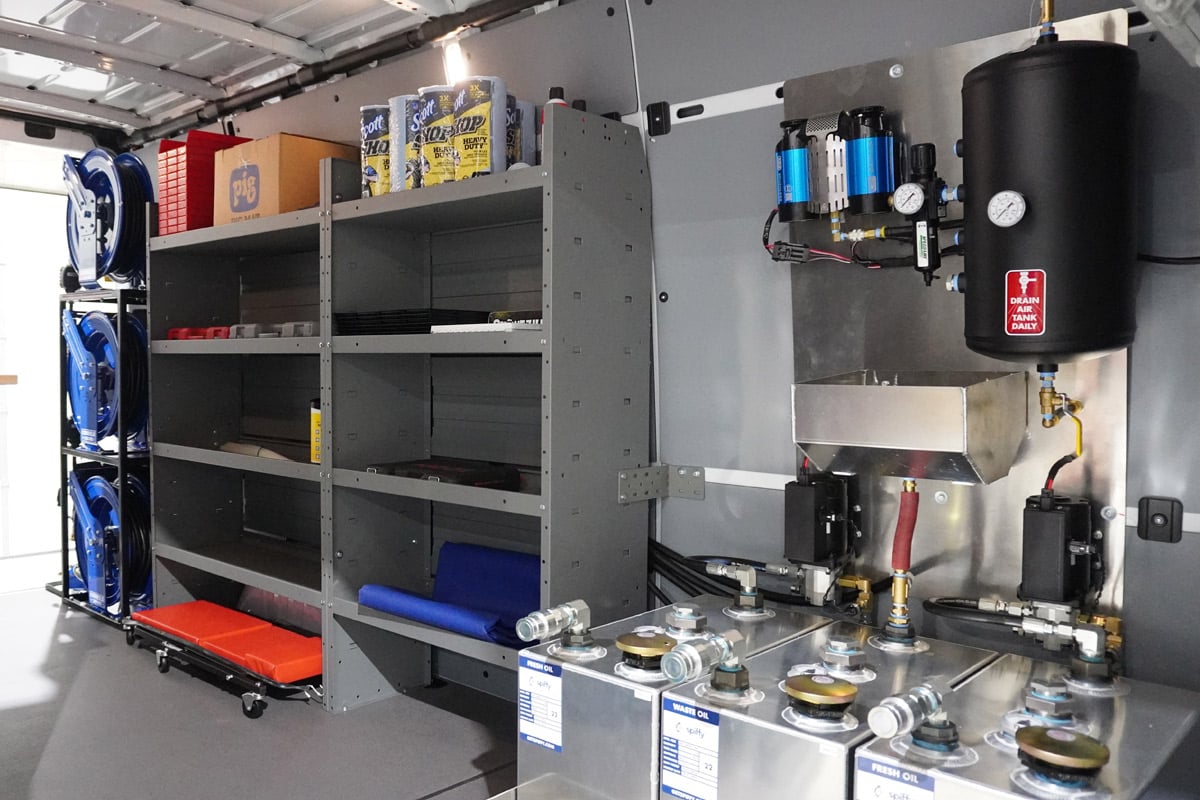
The van is their workspace. The upfit, tool layout, parts access, and service menu all affect how efficiently they can work.
If every mobile unit is configured differently, technician workflow becomes harder to train, support, and improve. If service expectations are unclear, technicians may be asked to complete work that does not fit the mobile setting.
A consistent field environment helps productivity and service quality.
That is especially important as dealers add vans or as OEM programs expand across multiple markets.
OEMs Need Visibility Across Programs
For OEMs, standardization is what makes mobile service easier to evaluate.
If every dealer uses different processes, different reporting, different service menus, and different customer communication, it becomes difficult to understand how the program is performing.
OEM teams need visibility into adoption, utilization, coverage, customer experience, and outcomes.
That visibility depends on consistency.
Standardized workflows and reporting give OEMs a better foundation for supporting dealers, identifying execution gaps, and making informed decisions about future investment.
Standardization Does Not Eliminate Flexibility
A common misconception is that standardization removes local flexibility.
It should not.
Different markets may have different customer needs. Different rooftops may have different staffing models, service demand, and growth goals. Standardization should create a framework that allows for local execution without forcing every dealer to reinvent the model.
The goal is to define what should be consistent and where flexibility is appropriate.
That balance is what allows mobile service to scale without becoming rigid.
The Next Phase of Mobile Service Depends on Repeatability
The industry has already seen that mobile service can work.
The next question is whether it can work consistently.
That is why standardization matters. It connects the customer experience, the technician workflow, the dealership operation, and the OEM program strategy.
Mobile service is no longer just about getting a van on the road.
It is about building a model that can be repeated, measured, supported, and improved over time.
That is what standardized mobile service really means.

Posted in Digital Servicing, Software