



When Duval Ford signed on with Spiffy back in May, our Onboarding Team knew this wasn't going to be a typical mobile service launch.
That dynamic showed up almost immediately. During onboarding, the team ran a recall campaign and booked 26 appointments in the first two hours alone, enough to fill their schedule for the following business day by end of day. In the five days since that first campaign, they've sent six more and already logged 64 recall repair orders on the new platform.
With 26 vans, 19 technicians, a large retail operation, and a substantial fleet business comprising around 1,400 mobile repair orders per month, Duval wasn't launching a pilot program. They were transitioning an already mature mobile operation onto a new platform.
That distinction matters.
A lot of conversations around mobile service still center around how to get started. But spending time on-site with the Duval team was a reminder that there's another side of the conversation that's becoming increasingly important: what happens when mobile service is working, and now you have to figure out how to scale it.
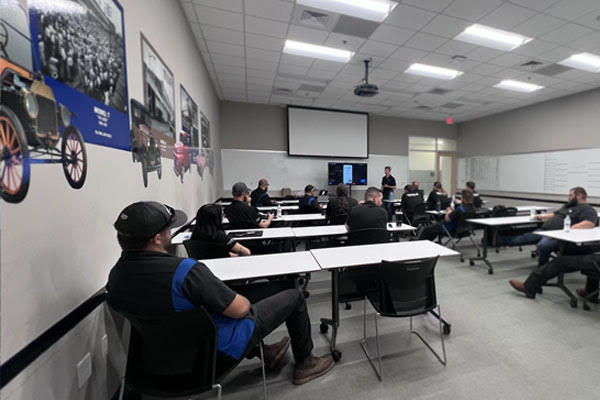
What stood out almost immediately wasn't the size of the operation itself. It was how prepared the team was to move. By the end of the first day, appointments were already being booked for the following day, customer uploads were ready to go, and the team had already begun transitioning away from their previous platform.
More importantly, everyone involved seemed to understand that mobile service isn't just another lane in the service department. It must be treated as its own operation with its own workflows, challenges, and opportunities.
That kind of organizational alignment makes a huge difference.
When the retail team, fleet team, BDC, and mobile operations team are all thinking about the business the same way, implementation stops being about teaching a process and becomes about supporting one that's already been thoughtfully built.
That's also why we tailored this launch to the scale of Duval's existing operation.
For many dealerships, a day or two on-site is enough to get a team comfortable with a new platform. At Duval's scale, that wouldn't have been sufficient. When you're managing dozens of vans, technicians taking vehicles home, multiple service locations, and thousands of appointments every month, success comes down to understanding how the operation actually runs day to day.
Who owns scheduling? How are routing decisions handled when priorities change? What happens when a technician's day doesn't go according to plan? How does information move between teams?
Those aren't edge cases at this scale. They're the everyday realities of the business.
One of the biggest takeaways from working with the Duval team was seeing just how quickly manual processes become difficult to sustain as mobile service grows. Calculating drive times, balancing technician availability, managing schedules, and coordinating customer communication can work when you're operating a handful of vans. But as volume increases, those same processes can become the thing that limits growth.
At a certain point, the technology stops being a convenience and starts becoming infrastructure.
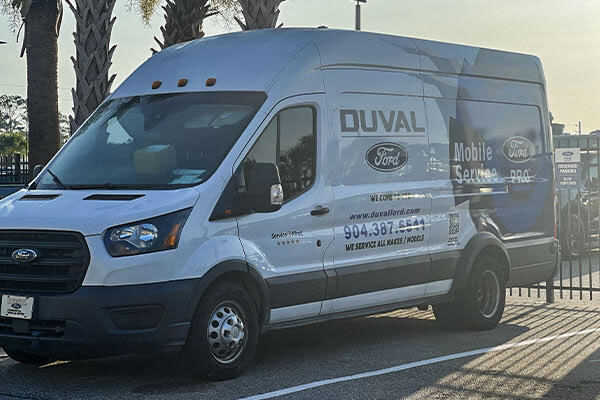
That's what made this launch so exciting. It wasn't just about bringing a new dealership onto Mobile 360. It was a chance to work alongside a team that's treating mobile service not as an experiment or a marketing initiative, but as a long-term operating strategy.
We're excited to support the Duval team as they continue to grow, and we're looking forward to sharing what we learn along the way.
Posted in Digital Servicing, Software